
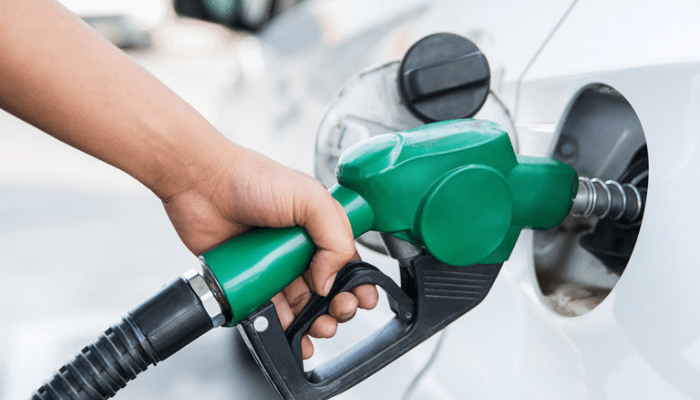
The pump price of Premium Motor Spirit (PMS), popularly known as petrol, has surged to as high as N1,300 per litre in parts of Nigeria, triggering fresh concerns over rising inflation and the cost of living.
Market surveys across several states show that petrol now sells between N1,200 and N1,300 per litre at independent filling stations, particularly in parts of Oyo State and other areas where supply costs have increased.
Industry operators attribute the latest spike to rising depot prices following fresh upward adjustments by the Dangote Petroleum Refinery, which recently raised its ex-gantry price of petrol to N1,175 per litre. The refinery said the increase was driven by market volatility and rising replacement costs in the global oil market.
Oil marketers say the higher depot price has pushed up the cost of lifting petrol from depots, forcing many filling stations to adjust pump prices. Some depots are reportedly selling the product at around N1,200 per litre, leaving retailers with little choice but to raise prices further to remain profitable.
The development comes amid escalating geopolitical tensions in the Middle East that have pushed crude oil prices higher in the international market, a situation analysts say is directly impacting Nigeria’s deregulated downstream petroleum sector.
Economic experts warn that the price hike could worsen inflationary pressures across the country as transportation costs, food prices and logistics expenses are expected to rise. Businesses have already begun adjusting prices of goods and services in anticipation of higher operating costs.
Commuters and transport operators have also reported increases in transport fares in several cities following the latest adjustment in fuel prices.
The surge in petrol prices comes nearly three years after the Federal Government removed fuel subsidy and adopted a market-driven pricing regime for petroleum products, leaving pump prices largely determined by global crude oil prices, exchange rates and supply costs.
If the current trend continues, industry observers say the retail price of petrol could climb further in the coming weeks unless there is a significant drop in global crude oil prices or an improvement in supply conditions.